Portfolio
Work
Selected work
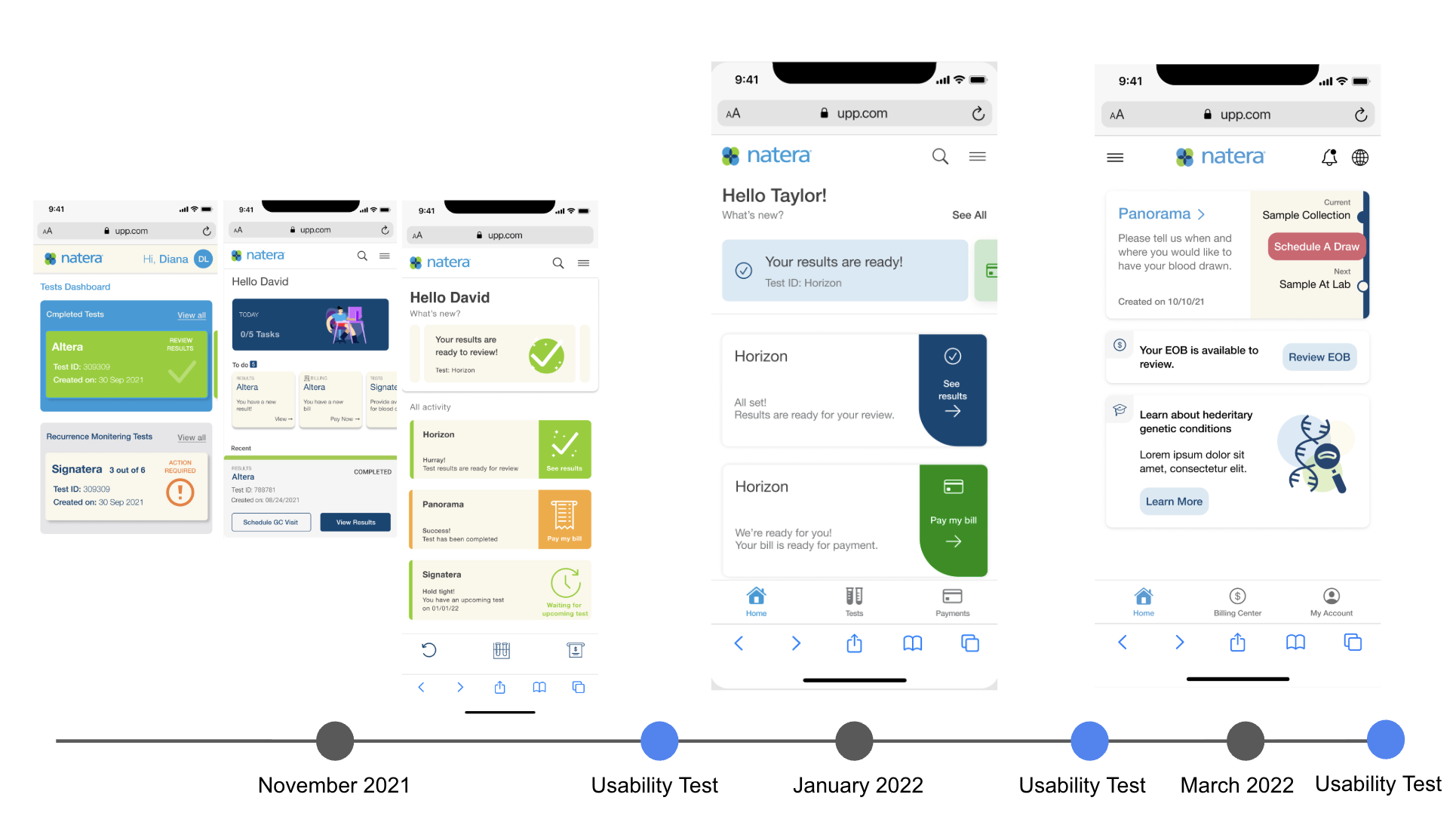 Unified Patient PortalUsed a federal compliance mandate to fund Natera's first patient portal, giving patients visibility into their own genetic tests.
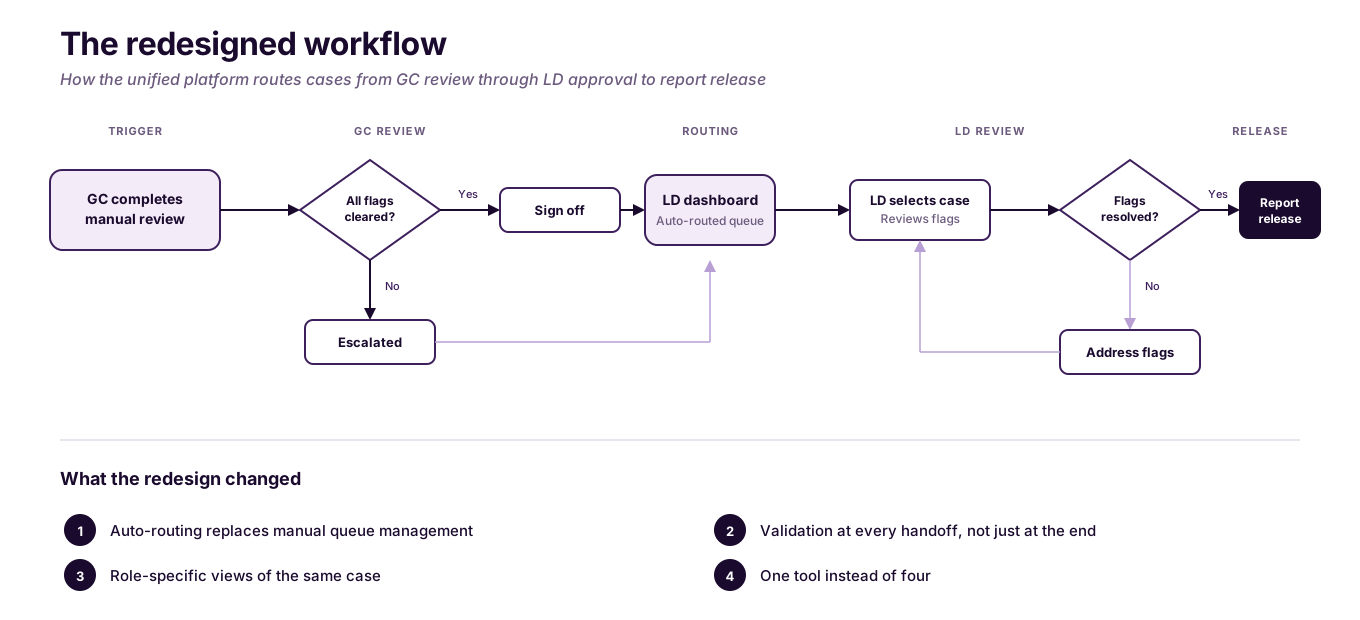 Clinical ReviewReframed a usability audit into a platform investment that replaced four legacy tools and halved report turnaround.
 Clinical Trial Patient ScreeningDesigned an AI screening tool that matches oncology patients to trials while clinicians keep the final call.
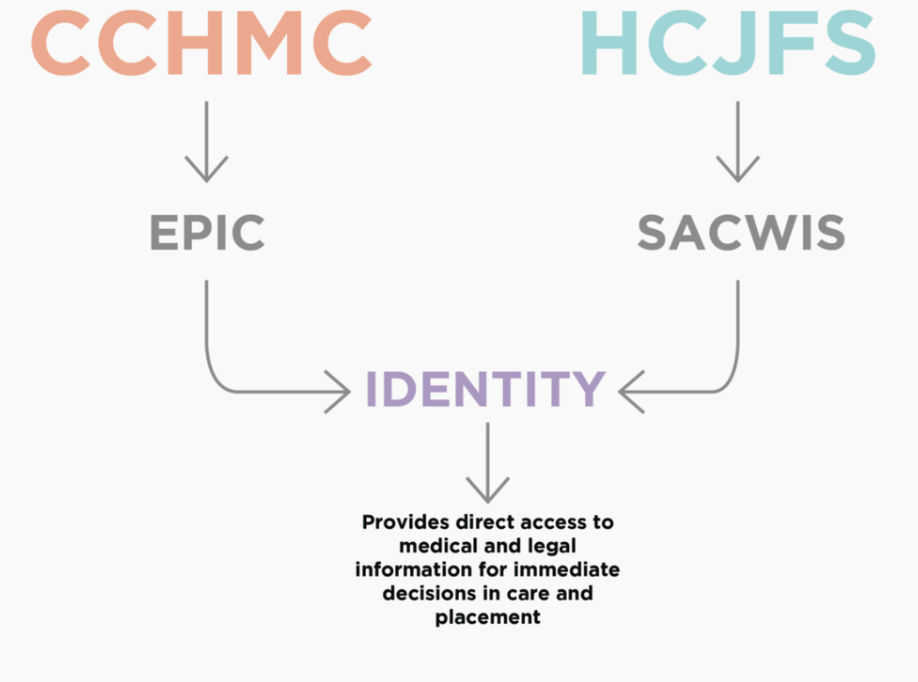 IDENTITY: Foster Care Health Data PortalDesigned a secure portal so foster children's medical and legal records stop moving by mail.
 Tracking PerimenopauseRan a two-week diary study with 40 women to find what an 88.3 usability score was hiding.
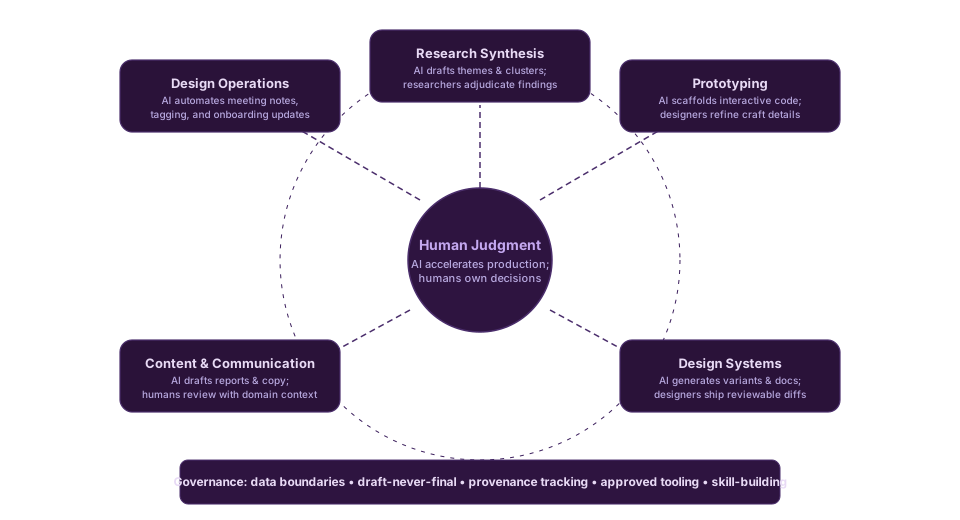 Integrating AI into Design PracticeDefined how the team adopts AI across five practice areas: production speeds up, judgment stays human.
 Building Design for Lab OperationsBuilt Natera's lab-operations design practice from scratch while shipping tools for 50+ labs.
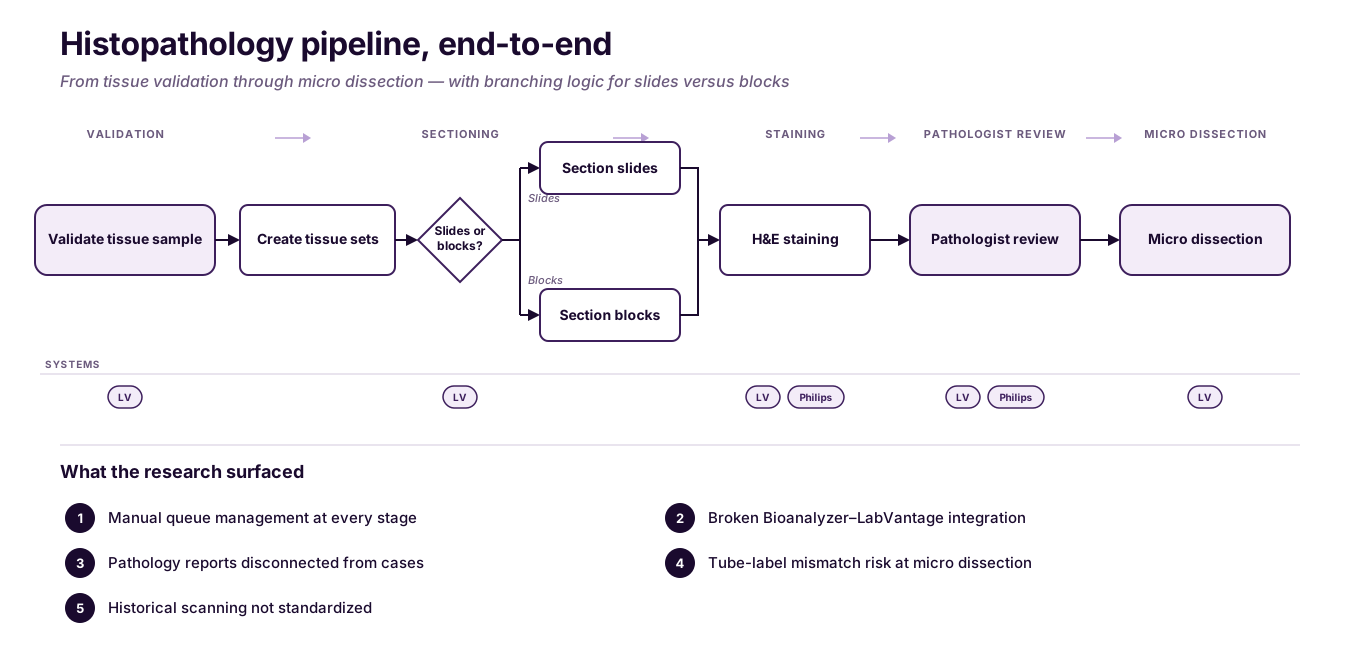 Histopathology Lab Workflow RedesignMade the case for in-lab ethnography and redesigned a pipeline that ran on spreadsheets and manual queues.